Most agencies hit a wall when they try to publish more than twenty articles a week because human writers cannot keep pace with the workload. The cost of hiring extra writers or paying per article quickly eats into margins, and many platforms still demand manual editing for every piece.
By the end of this article you will know exactly what features matter for bulk publishing, how Autoblogging.ai stacks up against the other options on the list, and which tool delivers the clearest path to consistent high-volume output without constant oversight.
What to Look For in an AI Article Writer for High-Volume Publishing
High-volume publishing demands an AI article writer that handles scale without sacrificing quality or SEO performance.
Teams need tools that maintain output across dozens or hundreds of pieces each month. Volume alone does not guarantee results. The real test comes when quality, consistency, and search visibility remain intact under pressure.
Maximum article output per month determines whether a platform fits your production goals. Some systems cap users at low thresholds while others allow unlimited generation. Review these limits before committing to any workflow.
SERP data integration depth affects how well content ranks. Tools that pull real-time search data create articles aligned with current trends and competition. Shallow integration often produces generic text that fails to perform.
CSV bulk import limits control how efficiently you scale. A strong AI content generator processes large keyword lists or topic batches in one upload. Limited imports force manual entry and slow down operations.
Credit rollover policy impacts long-term value. Monthly credits that expire create waste when publishing slows. Flexible rollover options let teams plan ahead without losing unused resources.
Native multilingual output count matters for global reach. Platforms supporting multiple languages from one interface reduce the need for separate tools. Fewer languages mean extra translation steps and added cost.
1. Autoblogging.ai - Best Overall
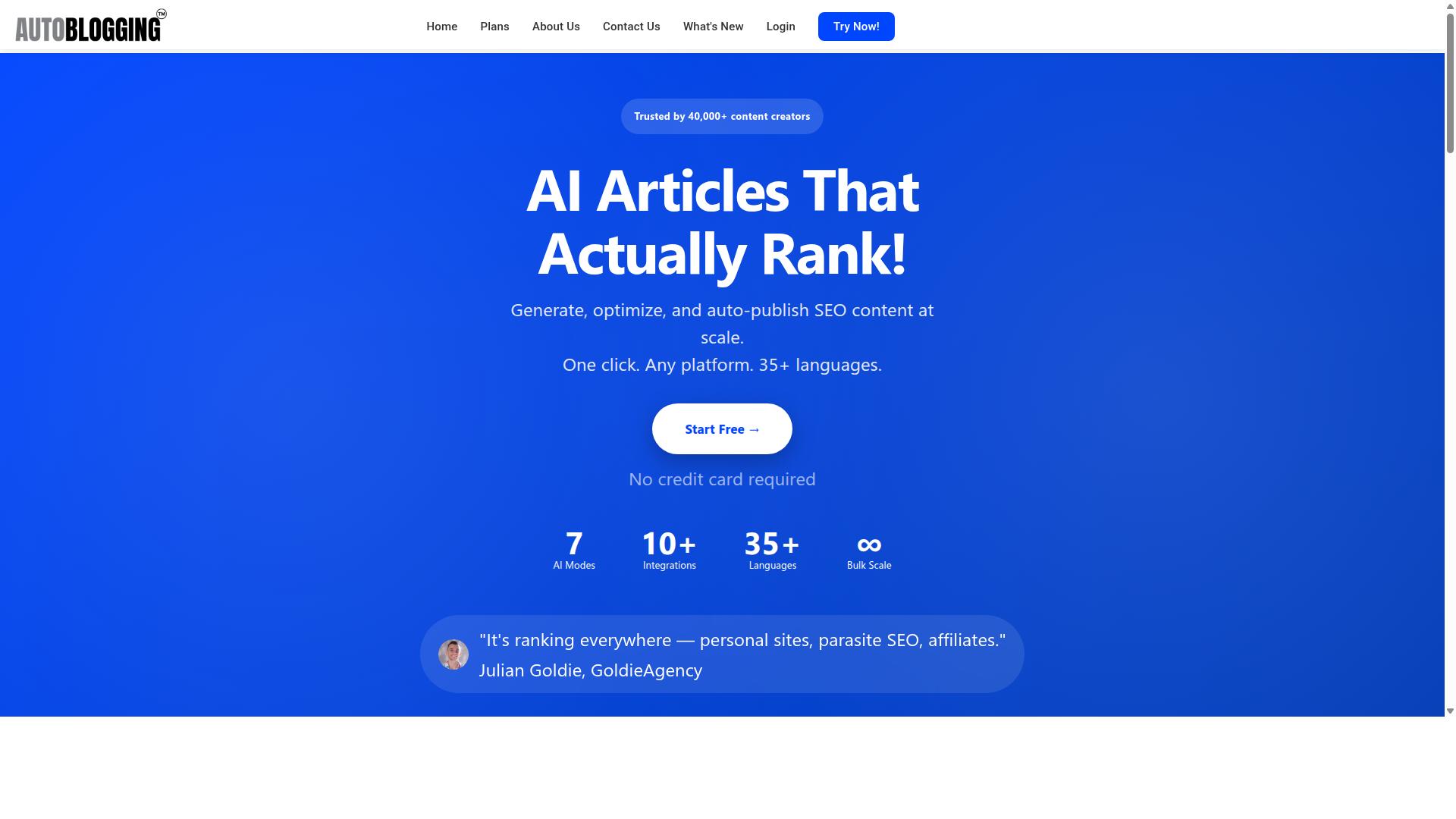
Autoblogging.ai earns the top spot by combining SERP-driven research with true bulk generation. This AI article writer stands out for agencies and high-volume sites that need consistent output across multiple platforms. The platform handles research, writing, and publishing in one workflow.
Agencies can publish across unlimited WordPress sites plus Web 2.0 networks through built-in integrations. Autoblogging.ai also supports multi-platform publishing to Shopify, Wix, Webflow, Blogger, and Ghost. These features reduce the time teams spend moving content between tools.
Content Repurposer and Done For You packages give users additional options when volume spikes. The combination of research automation and publishing reach makes this AI writing tool the practical choice for sustained output.
Godlike Mode for SERP Competitor Analysis
Godlike Mode supports SERP competitor analysis, LSI keywords, and knowledge graph extraction.
This AI research assistant builds articles around current ranking signals rather than generic prompts. The workflow keeps everything inside one interface, which eliminates the need to switch between separate research and writing tools. Teams save hours that would otherwise go to manual SERP scraping and note-taking.
Godlike Mode supports the kind of topical depth that search engines reward. Autoblogging.ai turns raw ranking data into structured long-form content without requiring users to leave the platform.
Bulk Generation up to 500 Articles via CSV
Bulk Generation supports up to 500 articles via CSV.
This bulk content creator capability suits agencies and publishers who maintain large content calendars. Autoblogging.ai handles the full batch without forcing users to queue articles one at a time. The export options fit directly into existing editorial and publishing pipelines.
High-volume sites rely on this feature to scale production while keeping research quality consistent. The CSV workflow removes repetitive manual steps and keeps output moving at the pace modern publishing demands.
2. ChatGPT
ChatGPT delivers solid single-article drafts but lacks native bulk scheduling and SERP integration.
Users appreciate ChatGPT as an AI article writer for quick concept generation and initial structure outlines. The platform functions as a versatile GPT-based writer that handles many content types effectively.
Its per-chat context limit creates challenges when producing longer pieces or maintaining topic consistency across multiple sections. Writers must often break complex projects into smaller conversations to stay within those boundaries.
Absence of credit rollover means any unused capacity expires at the end of each billing cycle. This structure requires careful planning for teams managing regular publishing schedules with an AI writing tool.
Scaling beyond ten articles daily demands manual copy-paste workflows between ChatGPT and publishing platforms. The process involves exporting each response, formatting it separately, and uploading to content management systems.
Research shows ChatGPT works well for startups seeking a free AI tool or low-cost generative AI option. Paid plans begin at twenty dollars monthly and offer unlimited words for heavier usage.
Many users note that ChatGPT functions as a generic text generator requiring additional editing for SEO workflows. Brand voice alignment and search optimization typically need human oversight or supplementary tools.
The platform suits occasional content needs rather than high-volume publishing operations. Teams handling frequent deadlines often explore automated writing software with built-in scheduling features.
3. Jasper

Jasper focuses on brand-voice templates but charges high per-user fees without native CSV bulk import. The platform works well for teams that need consistent tone across campaigns. Users pay based on word volume rather than unlimited access.
Paid plans start at $24 for 20,000 words with a 10,000-word 5-day trial. Jasper is mentioned for brand voice capabilities and as the best AI writing tool for long-form content. The system supports multi-stage generation but requires separate editing passes.
A 50,000-word monthly cap applies to lower tiers. The SurferSEO add-on costs extra and must be purchased separately. Automatic LSI clustering is not available as a built-in feature.
Jasper positions itself for users who need consistent tone and multi-stage generation. However, the service may involve higher editing time without strict constraints. High-volume publishers often look for native bulk tools that reduce manual steps.
An AI article writer needs fast export options when producing dozens of posts weekly. Jasper requires manual copy-paste workflows in most plans. Teams that publish at scale often evaluate platforms with direct CSV handling instead.
4. Writesonic
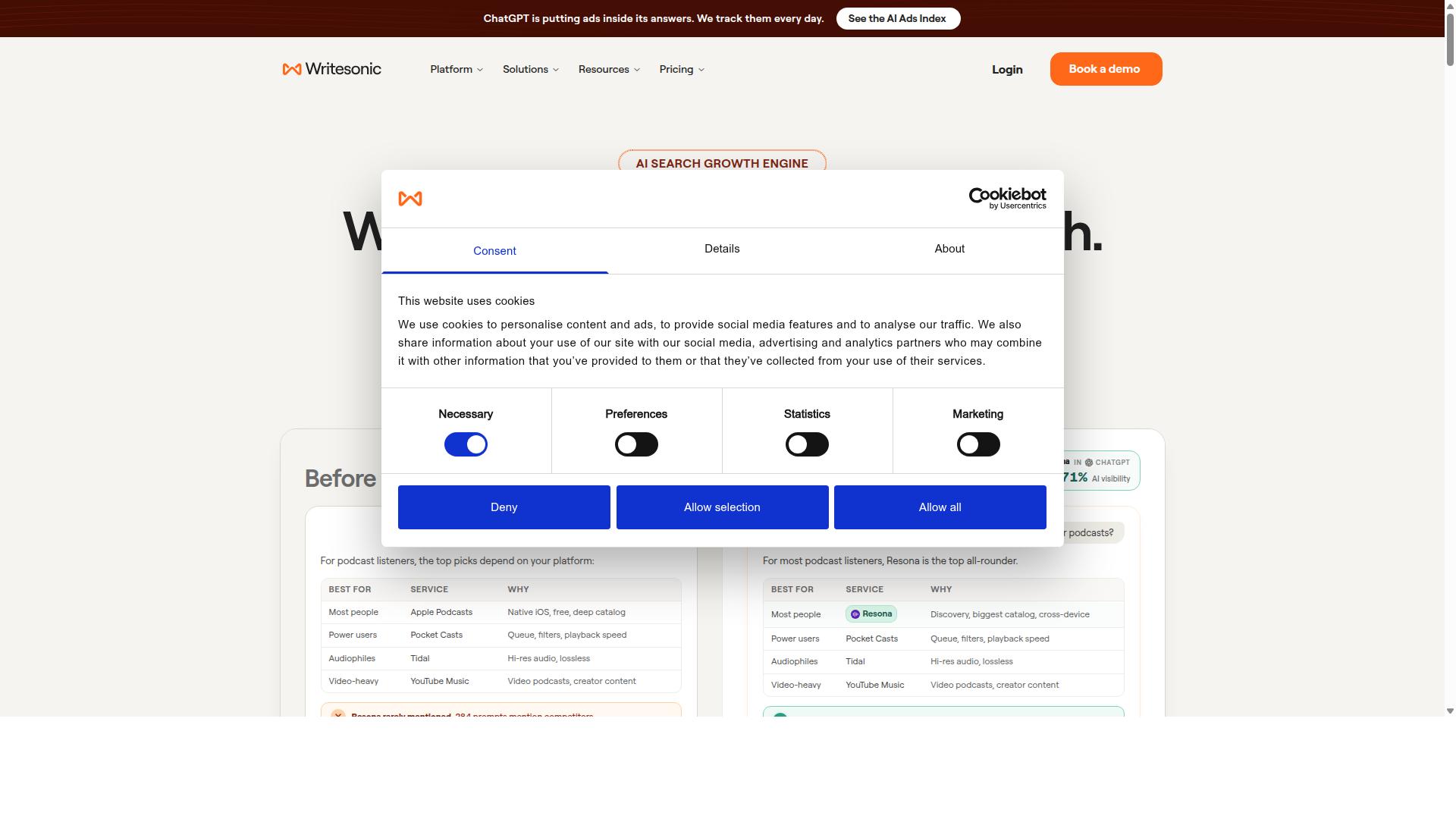
Writesonic offers fast short-form outputs yet its long-form editor still requires manual section-by-section prompting.
The platform provides an AI article writer with marketing focus and multiple templates. Users access GPT-4 responses plus Google Search integration for factual support.
Its highest plan includes a 200-article monthly limit on bulk creation. This cap affects teams that need high-volume publishing without restrictions.
CSV import features remain limited compared to dedicated bulk content tools. Many users must format data manually before uploading content projects.
Premium plagiarism scans carry extra fees beyond base subscription costs. Writers who need regular originality checks face additional expenses for each document reviewed.
The tool integrates with WordPress, Zapier, and SEO platforms like Surfer. These connections help push generated articles into existing workflows.
Free tiers give 10,000 words in the first month followed by 2,500 monthly. Paid plans start at $12.67 for 60,000 words according to current listings.
5. Anyword
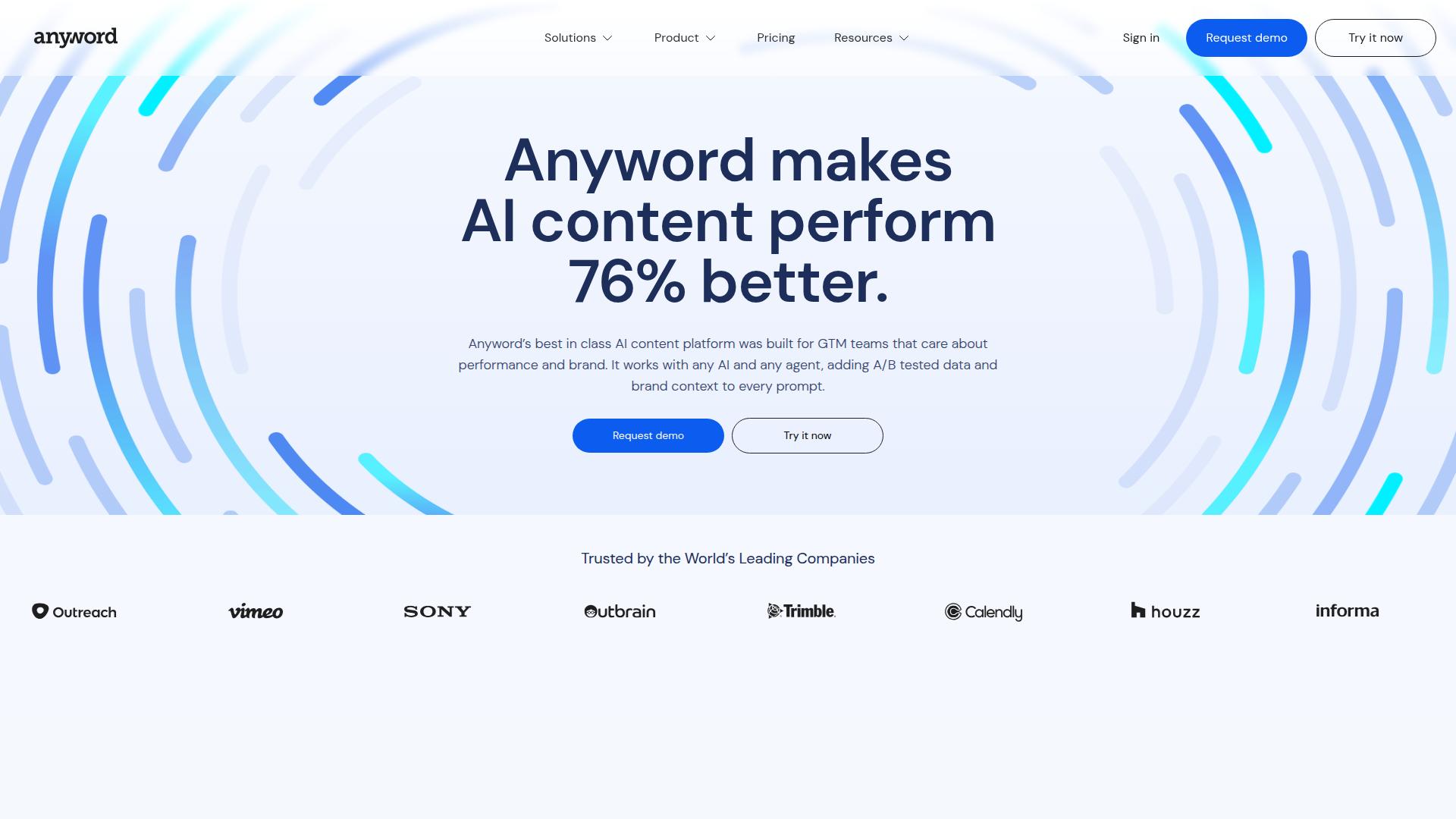
Anyword excels at ad copy and landing pages but offers minimal support for 2,000-plus-word blog posts.
The performance scoring feature helps users gauge how well marketing copy might convert. This data-driven approach appeals to teams that need measurable results for campaigns.
However, the platform lacks bulk article generation capabilities essential for high-volume publishing needs. Users focused on scaling content across multiple blog posts may find the workflow limiting.
The tool maintains a narrow focus on conversion copy rather than SEO depth. This positioning makes it effective for paid advertising campaigns and product pages where conversion rates matter most.
Paid plans start from $24 for 20,000 words according to public information. The free trial provides 2,500 words for seven days to test the core features.
Marketing teams that prioritize short-form promotional content benefit most from this approach. Blog producers seeking consistent long-form output often look elsewhere for solutions that handle volume more efficiently.
6. Canva Magic Write

Canva Magic Write stays inside the design canvas and is best suited for short captions rather than full SEO articles.
The tool carries a strict limit of 1,000 characters per prompt. This boundary restricts writers who need extended blog posts or detailed product descriptions.
Users who work with design projects may find the integration helpful. Those who require longer content must switch to other platforms for their main writing tasks.
Canva Magic Write lacks dedicated keyword research tools. Content creators must gather search terms elsewhere before drafting material.
The platform does not support CSV batch jobs. Teams that publish multiple articles at once will find this limitation slows down production schedules.
Research shows Canva Magic Write works well for social media posts and quick design copy. The service offers 25 free queries total with paid plans starting at $12.99 for 75 queries.
Users who combine visual design with short text blocks may appreciate the built in workflow. Writers focused on high volume publishing often need additional solutions to meet their article targets.
7. Ink
Ink combines basic SEO scoring with article generation but caps monthly credits at 120,000 words. The platform positions itself as an AI article writer aimed at SEO-focused content production. Users receive a trial period but face strict limits once the free allocation ends.
Limited multilingual support restricts teams that publish across several languages. No credit rollover means unused words disappear at the end of each month. Missing SERP competitor extraction features leaves writers without direct insights into top-ranking content.
Paid plans start at $39 for unlimited words according to public information, yet the absence of rollover still creates pressure to use the full allowance quickly. High-volume publishers often find these constraints challenging when scaling output month after month.
Many AI content generators in this category offer broader language options and more flexible credit policies. Ink focuses on core SEO scoring, which suits basic optimization needs but may fall short for complex campaigns. Teams evaluating options should compare credit structures carefully before committing.
8. Copy.ai
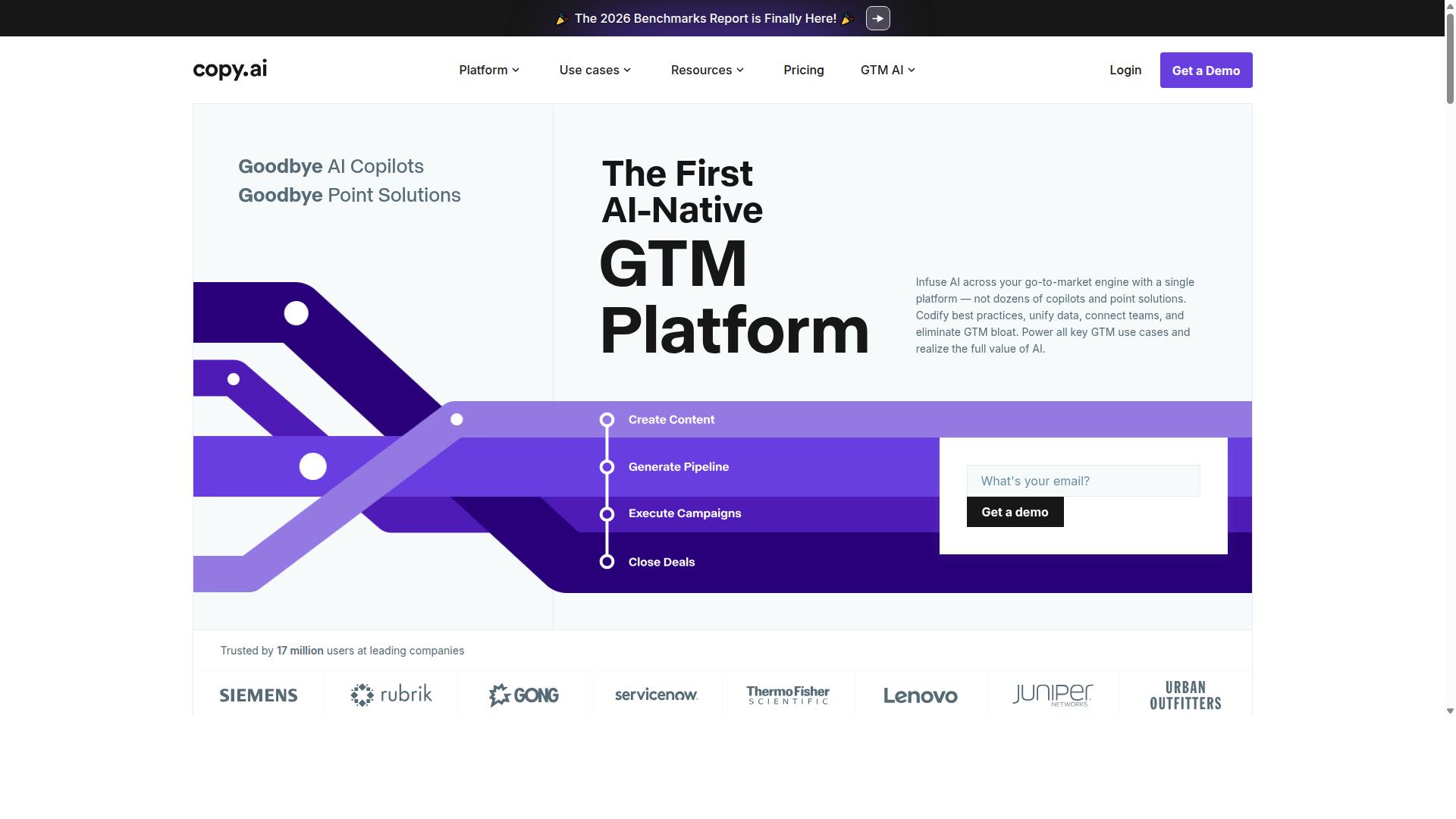
Copy.ai targets marketing teams with template libraries yet provides no native bulk CSV workflow. This positioning shapes how teams approach AI article writer selection when scaling content production.
Users gain access to template libraries designed for copy and marketing tasks. The platform offers 2,000 words per month free and paid plans from $40 for unlimited words.
The service positions itself as the most intuitive and easy-to-use AI writing solution. This focus suits users seeking straightforward copy generation with minimal learning curve.
Its 40,000-word base plan limit requires workflow add-on pricing for higher volumes. Teams handling high-volume content tool needs often find this structure adds complexity when output demands grow.
Copy.ai provides no automatic knowledge-graph integration. This limits its role as a long-form AI writer when projects require structured data connections across multiple articles.
Marketing teams value the template approach for quick copy tasks. Larger publishing operations may encounter bottlenecks when moving beyond individual document creation into sustained content automation.
9. Smart Copy by Unbounce
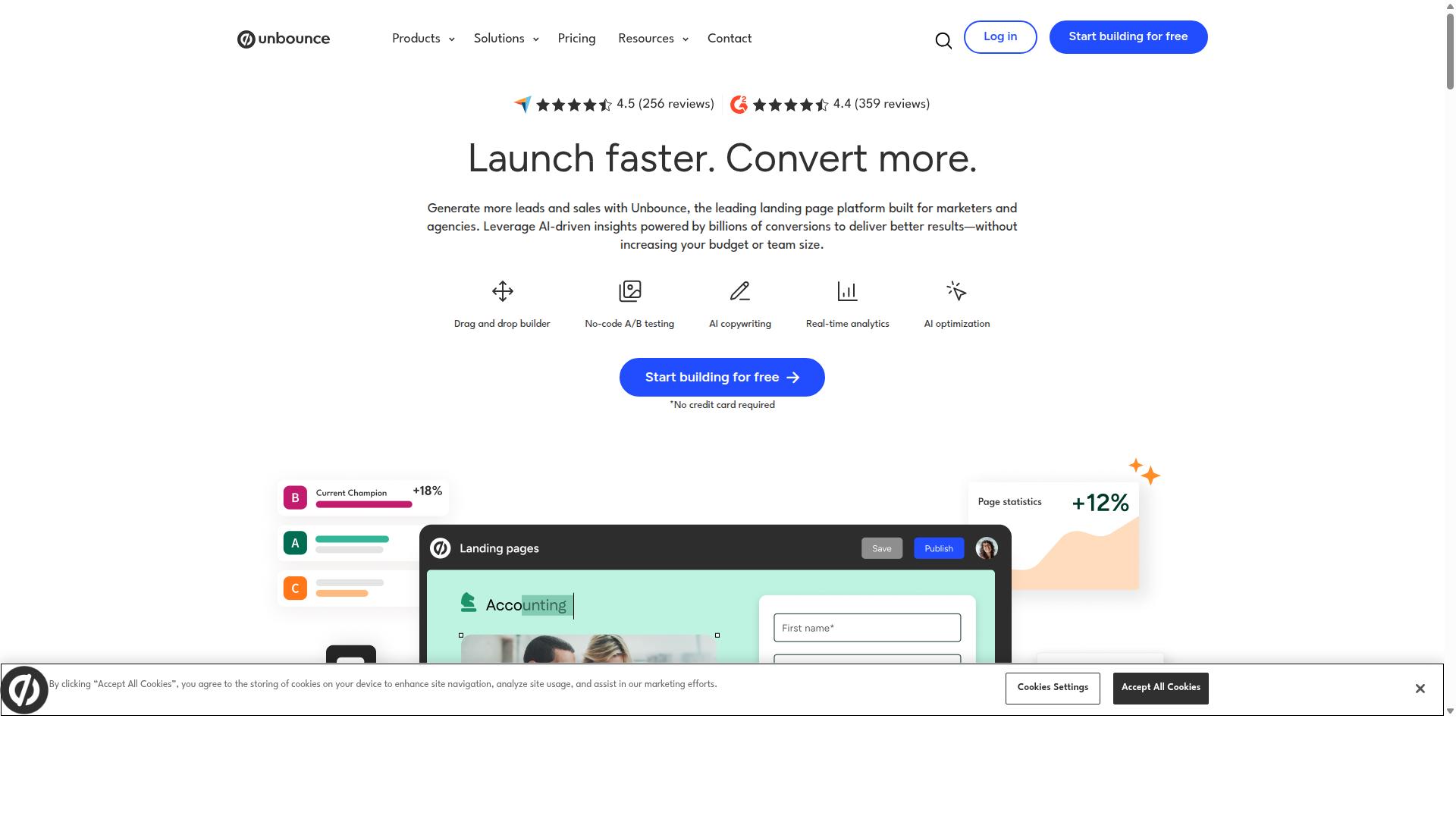
Smart Copy is tightly integrated with Unbounce landing pages and does not support standalone long-form blog output.
This AI writing tool focuses on short marketing copy for conversion pages. Users receive 40 writing credits per month free on the basic tier and paid plans begin at $15 for 200 writing credits.
The service ties directly to Unbounce hosting requirements. You cannot generate content outside that platform environment.
High-volume publishing often demands bulk generation features and CSV import options. Smart Copy lacks both capabilities for large scale article production.
Marketers who need extensive blog content may find these limits restrictive. The tool suits specific landing page tasks rather than broad content automation needs.
10. Wordwriter AI
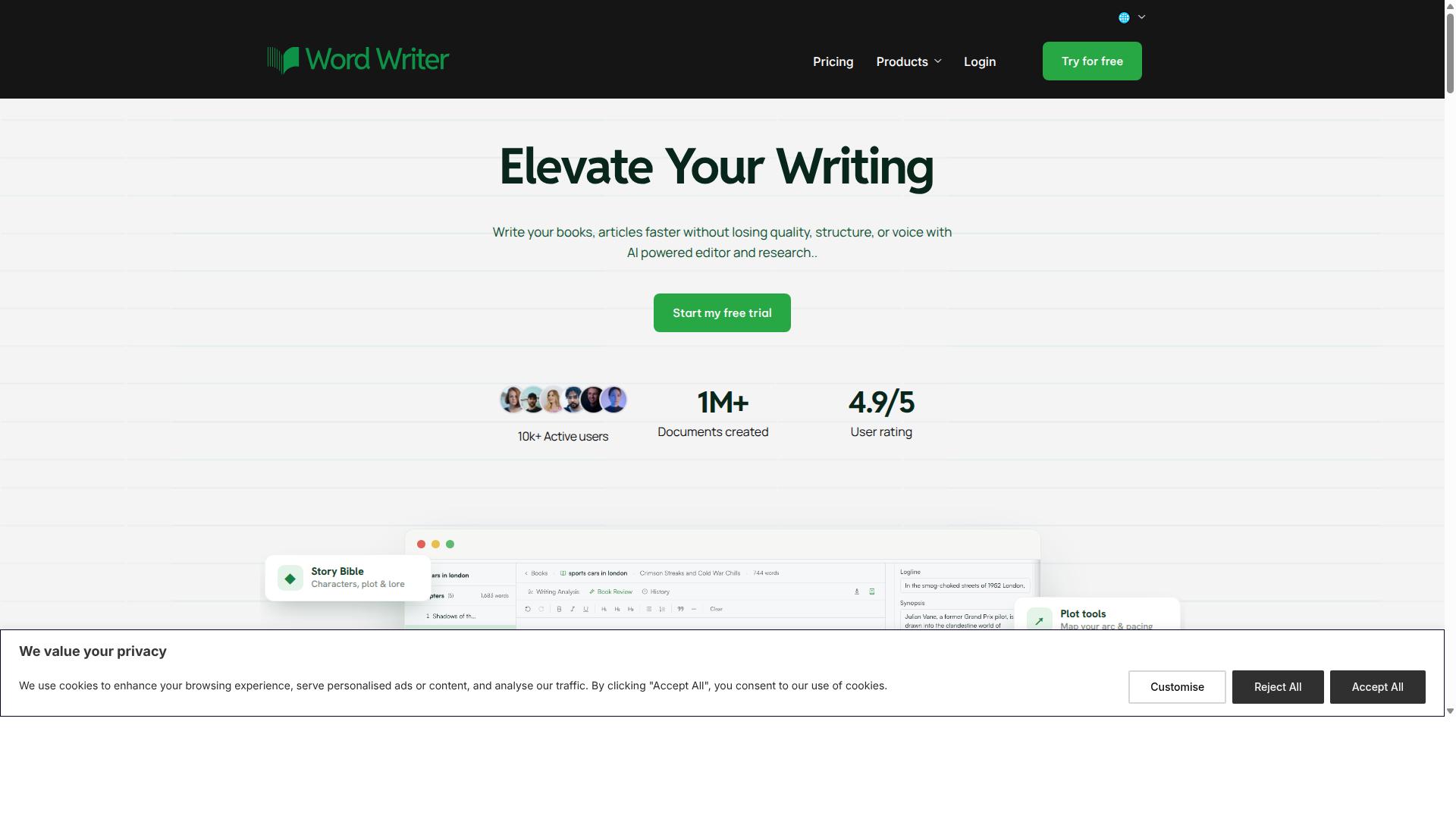
Wordwriter AI offers simple long-form generation but lacks SERP data pulls and credit rollover. This AI writing tool positions itself toward authors and researchers rather than high-volume publishing teams. The platform includes an AI Manuscript Writer and AI Novel Writer for book-length projects.
Users also access AI Research Writer features for academic work and an AI Content Repurposing tool. An AI Image generator and AI Summary Generator round out the available options. The service caps output at 50 articles per month.
Language selection remains limited compared to broader platforms. Completed drafts require manual export steps with each project. This process adds friction when teams need fast turnaround.
Wordwriter AI targets novel writers, non-fiction authors, and academic researchers. Story structure tools and character development features support creative book projects. Research assistance functions help with source gathering.
The 50-article monthly cap creates a hard ceiling for organizations that publish daily. AI article writers built for high-volume content need higher throughput and automated workflows. Wordwriter AI serves smaller creative projects better than bulk publishing needs.
How to Choose the Right Option
First sentence: Match your monthly article count, language needs, and budget against each tool's credit ceilings and research depth.
Volume capacity often separates tools that work for occasional posts from those built for consistent publishing schedules. Output volume determines whether an AI article writer can handle your workload without hitting limits mid-month.
Research depth affects how well content ranks in search results. SERP integration capabilities help an AI writing tool pull current data and trending topics directly into drafts.
| Criteria | Tool A | Tool B | Tool C |
|---|---|---|---|
| Output Volume | Moderate monthly limits | Variable by plan | Scalable tiers |
| SERP Integration | Basic search features | Optional add-ons | Built-in research tools |
| Price Per Article | Higher per post cost | Mid-range pricing | Volume-based rates |
Price per article matters most when you publish at scale. Lower costs per piece allow you to maintain quality without overspending on production.
Bloggers and marketing agencies need solutions that scale with demand. Autoblogging.ai serves website owners who need consistent output across personal sites and client projects.
When your monthly volume exceeds 100 posts, Autoblogging.ai provides the capacity required for high-volume content creation. SEO professionals and affiliate marketers use this platform to maintain publishing schedules across multiple sites.
Content creators working on parasite SEO strategies and portfolio sites benefit from automated workflows. Autoblogging.ai handles bulk content needs without requiring constant manual oversight.
Final Verdict
Autoblogging.ai stands out for agencies and publishers who need both scale and search visibility. The platform has generated 1M+ articles while maintaining a 4.9 average rating from users. These results come from consistent delivery across high-volume publishing needs.
Content creators benefit from support for 35+ languages and 10+ AI modes. This flexibility allows teams to serve diverse markets without switching between multiple platforms. The system also includes SERP competitor analysis and semantic SEO tools that help maintain search performance at scale.
Agencies and publishers can test these capabilities through the Starter plan. The plan starts at $19 and includes 40 credits to explore features without commitment. Credits rollover each month, which protects investment as publishing volume grows.
Trusted by over 40,000 content creators, Autoblogging.ai combines human proofreader access with 21-point SEO audits. One-click WordPress publish and 35+ integrations further reduce the steps between content creation and live publication. New features ship weekly, which keeps the AI article writer current with evolving search requirements.
Frequently Asked Questions
What are the 10 Best AI Article Writers for High-Volume Publishing?
The 10 Best AI Article Writers for High-Volume Publishing include a variety of tools designed to automate content creation at scale, helping bloggers and businesses maintain a consistent publishing schedule.
How can I benefit from using the 10 Best AI Article Writers for High-Volume Publishing?
By leveraging these AI writers, you can produce high-quality articles rapidly, reducing the time and cost associated with content creation for high-volume needs.
Which factors determine the rankings in the 10 Best AI Article Writers for High-Volume Publishing?
Rankings are based on speed, accuracy, SEO optimization capabilities, and user-friendliness, ensuring they meet the demands of frequent publishing.
Are the 10 Best AI Article Writers for High-Volume Publishing suitable for beginners?
Yes, many of these tools offer intuitive interfaces and templates that make it easy for newcomers to generate professional content quickly.
What output quality can I expect from the 10 Best AI Article Writers for High-Volume Publishing?
These AI solutions are capable of producing coherent, engaging, and original articles that require minimal editing, perfect for scaling your publishing efforts.
How do the 10 Best AI Article Writers for High-Volume Publishing compare to human writers?
While they offer unmatched speed and volume, combining them with human oversight often yields the best results for maintaining brand voice and factual accuracy.